Snap Inc. shocked the tech landscape at the Augmented World Expo (AWE) by finally bringing its consumer-ready, untethered augmented reality glasses out of the developer sandbox. Simply branded as SPECS, this sixth-generation hardware skips the casual “smart glasses” camera trend popularized by Meta’s Ray-Bans and takes aim at true spatial computing.
Rather than being an accessory for your smartphone, Snap Specs True AR Glasses are an entirely standalone, see-through AR computer worn on your face. But at a staggering $2,195, are they a brilliant glimpse into the future of computing or a premium novelty?
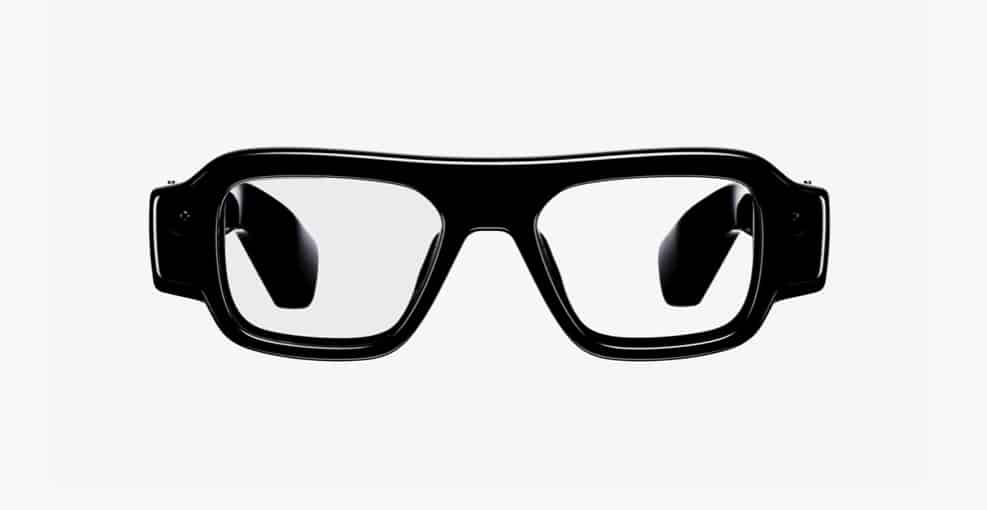
The Hardware: Shaving Grams, Cramming Silicon
Building a computer that fits on your face without a heavy cord running to a battery puck in your pocket is notoriously difficult. Snap’s engineering feat here is genuinely impressive:
-
Weight: Available in two sizes—a 47mm frame weighing 132 grams and a 52mm frame at 136 grams. While heavier than regular eyewear (~30-40g), they are roughly 40% lighter than Snap’s previous 5th-generation developer kits and far lighter than any mixed-reality headset.
-
The Dual-Processor Engine: SPECS split the computational workload across two Qualcomm Snapdragon processors. One chip is strictly dedicated to computer vision (tracking your hands and mapping the room), while the other drives the graphic interface and runs applications.
-
Optical Magic: The display is built on liquid crystal on silicon (LCoS) technology combined with a highly advanced waveguide lens. It offers a 51-degree field of view (FoV). Snap claims this visual canvas is roughly equivalent to looking at a 115-inch cinema screen sitting 10 feet away.
What It’s Like to Wear and Use
SPECS rely completely on hand-tracking and natural voice commands—there are no clunky ring controllers or clickers. Because the glasses run a dedicated standalone operating system (Snap OS), you do not need a phone nearby to use them.
Real-World Use Cases
The launch software leans heavily into interactive utility rather than just social media filters:
-
The Virtual Workstation: You can cast floating, multi-monitor desktop workspaces directly onto an empty wall in front of you.
-
Contextual AI Assistance: The built-in multimodal AI sees what you see. You can look at a broken appliance or a complex engine layout, and the AI can overlay repair instructions directly onto the physical parts.
-
Interactive Education & Play: Features like Drum Kit overlay interactive music lessons directly onto a physical drum set, showing you exactly which cymbal to strike in real time.
The Boeing-Inspired Lenses
One standout feature is the inclusion of electrochromic lenses. Borrowing the tech found in Boeing 787 Dreamliner windows, the lenses can electronically shift from completely transparent to a deep sunglasses-style tint in just 10 seconds. This allows you to clearly see bright 16-million-color digital objects even when stepping outdoors into direct sunlight.
The Reality Check: Where SPECS Falter
As incredible as the miniaturized technology is, the first generation of true consumer AR highlights some harsh design and practical trade-offs.
1. Comfort and “The Chunky Stem”
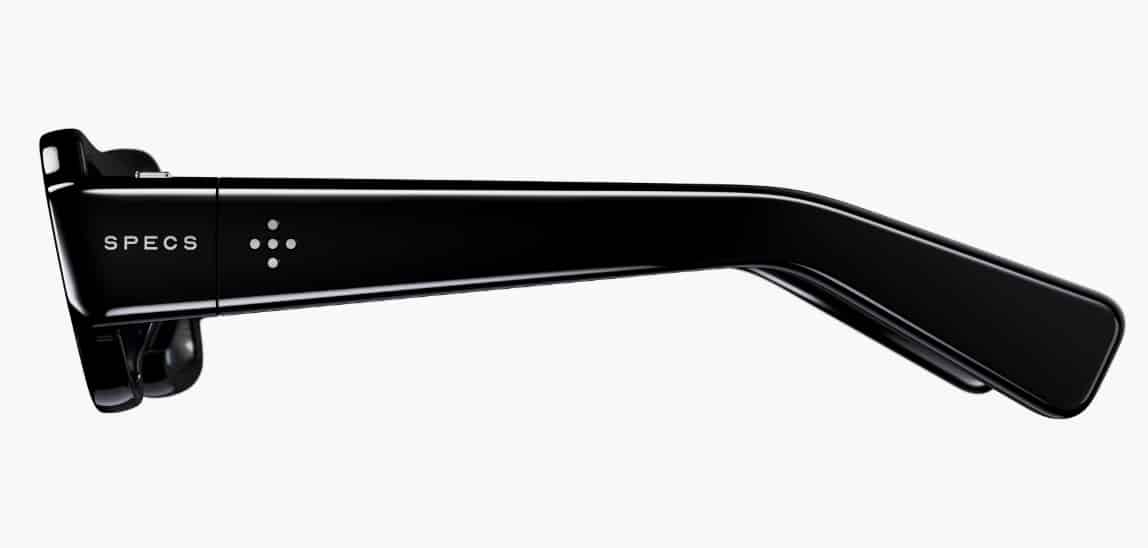
While 132 grams is light for a spatial computer, it is still heavy for ears. Because the processors, heat syncs, and batteries are all packed inside the frames, the stems are thick and rigid. First-hand impressions from tech analysts note that the heavy frame exerts significant downward pressure on the ears, meaning long-term wear can become uncomfortable quickly.
2. Battery Life
A standalone device requires intense power. SPECS offer just 4 hours of mixed-use battery life on a single charge. Snap attempts to alleviate this by including a protective charging case that holds an additional 16 hours of charge (bringing the total mobile battery life to 20 hours), but you won’t be wearing these for an uninterrupted 8-hour workday.
3. The Price
At $2,195, Snap has deliberately priced these out of reach for their core, teenage Snapchat demographic. This is a developer-first, early-adopter product meant to build the ecosystem before the hardware scales down in cost over the next few years.
Specs at a Glance
| Feature | Specification |
| Price | $2,195 (Pre-orders open, shipping Fall) |
| Weight | 132g (47mm) / 136g (52mm) |
| Processor | Dual Qualcomm Snapdragon Chips (1x Computer Vision, 1x Snap OS) |
| Field of View | 51° (Equivalent to 115″ screen at 10ft) |
| Battery Life | 4 hours standalone (20 hours total with case) |
| Latency | 7ms motion-to-photon |
| Privacy Features | Front-facing glowing LED recording indicator |
The Verdict
Snap SPECS are a fascinating milestone. They bridge the massive gulf between lightweight AI audio glasses (like Meta Ray-Bans) and isolated, heavy mixed-reality headsets (like the Apple Vision Pro).
For tech enthusiasts, developers, and enterprise users wanting to explore untethered AR right now, SPECS represent the closest thing to true sci-fi glasses on the market. For the average consumer, however, the heavy price tag and 4-hour battery life mean it is best to sit this generation out and watch how the software ecosystem grows.